
Why do porta potties smell in the first place?
Odor builds when waste sits too long against warm air with no fresh deodorant charge in the tank. A standard unit holds a 60 to 70 gallon tank, and that tank is sized to handle regular use between visits, not to sit untouched for weeks. Once usage outpaces the service interval, gas builds up and vents out the seal. Heat makes it worse. A unit baking in a Tinley Park parking lot in July will smell faster than the same unit in shade, which is why placement matters as much as service frequency. Our porta potty placement guide covers sun exposure, ground stability and access. Chemical deodorizers in the tank break down waste and mask what's left, but they only work if the tank gets pumped before it overflows its working capacity. That's the real mechanism behind most complaints, and it's fixable with a tighter schedule, not a different toilet.
How often are porta potties cleaned to control smell?
Weekly service is the baseline for a site running 10 users across a 40 hour week, per ANSI/PSAI Z4.3, and busier sites need more frequent visits. A construction crew of 30 running five long days will fill and season a tank faster than a weekend backyard party, so our service techs adjust the pump-out schedule to headcount, not a fixed calendar. Events packed into a single weekend, like ones we service near Oak Forest 5.7 miles northeast or Frankfort 8.2 miles southwest, often get same-day post-event pumping instead of waiting for the next weekly stop. If you're not sure what your job needs, the how many porta potties do I need guide walks through headcount math, and OSHA 1926.51(c) sets the ratio for construction crews at one toilet per 20 workers. More units per person means lighter use per unit, and lighter use per unit means less smell between visits.

Does unit type affect how much a porta potty smells?
Yes. A deluxe flushable unit uses a flush mechanism and holding system that clears waste from the bowl area after each use, which cuts down on the standing-odor smell you get with a standard gravity unit. An ADA accessible unit is the same footprint as a standard unit but built larger inside, and ADA Standards 304.3.1 requires a 60 inch turning circle, so there's more air volume inside to dilute odor between services. A restroom trailer goes further still, with flushing toilets, sinks and often climate control, which is why wedding and corporate clients in Tinley Park tend to book trailers over standard units. If you're comparing options for a home project, our home renovation porta potty page breaks down which unit type fits a driveway job versus a full remodel.

Can weather make porta potties smell worse in Tinley Park?
Yes, heat is the biggest factor. Warm weather speeds up the breakdown of waste and pushes gas through the vent stack faster, so units serviced weekly in spring may need a mid-week top-off in July and August. Cold weather actually slows odor production, though it brings its own problems with freezing, which we cover in porta potty in winter. Direct sun on a black tank raises internal temperature well above the surrounding air, so we recommend shaded placement whenever the site allows it, something our crews check when they deliver near job sites in Country Club Hills 5.9 miles east or Matteson 8.2 miles southeast. Wind direction also matters for guest comfort at events even when the unit itself isn't overdue for service. Our event restroom rental team places units upwind of seating and food areas as a standard practice, and it makes a bigger difference to perceived smell than people expect.
How much does it cost to keep a porta potty smelling fresh?
Extra service visits beyond the standard weekly stop typically fall in the porta potty rental cost day-rate range for a standard unit. Booking the right number of units upfront, based on our how many porta potties do I need guide, is usually cheaper than paying for emergency pump-outs later.
Do porta potties smell worse than they used to?
No, most modern units use stronger deodorant chemistry than older models, and 60 to 70 gallon tanks give more buffer between services. Complaints usually trace back to an understaffed unit count or a missed service window rather than the toilet's design.
Is there a difference between porta potty smell and septic tank smell?
Yes. Porta potty odor is a tank management issue; a residential septic tank smell often signals it needs pumping, typically every 3 to 5 years depending on tank size and household size. See septic tank warning signs if that sounds like your situation.
Does soap and water in the unit help with odor?
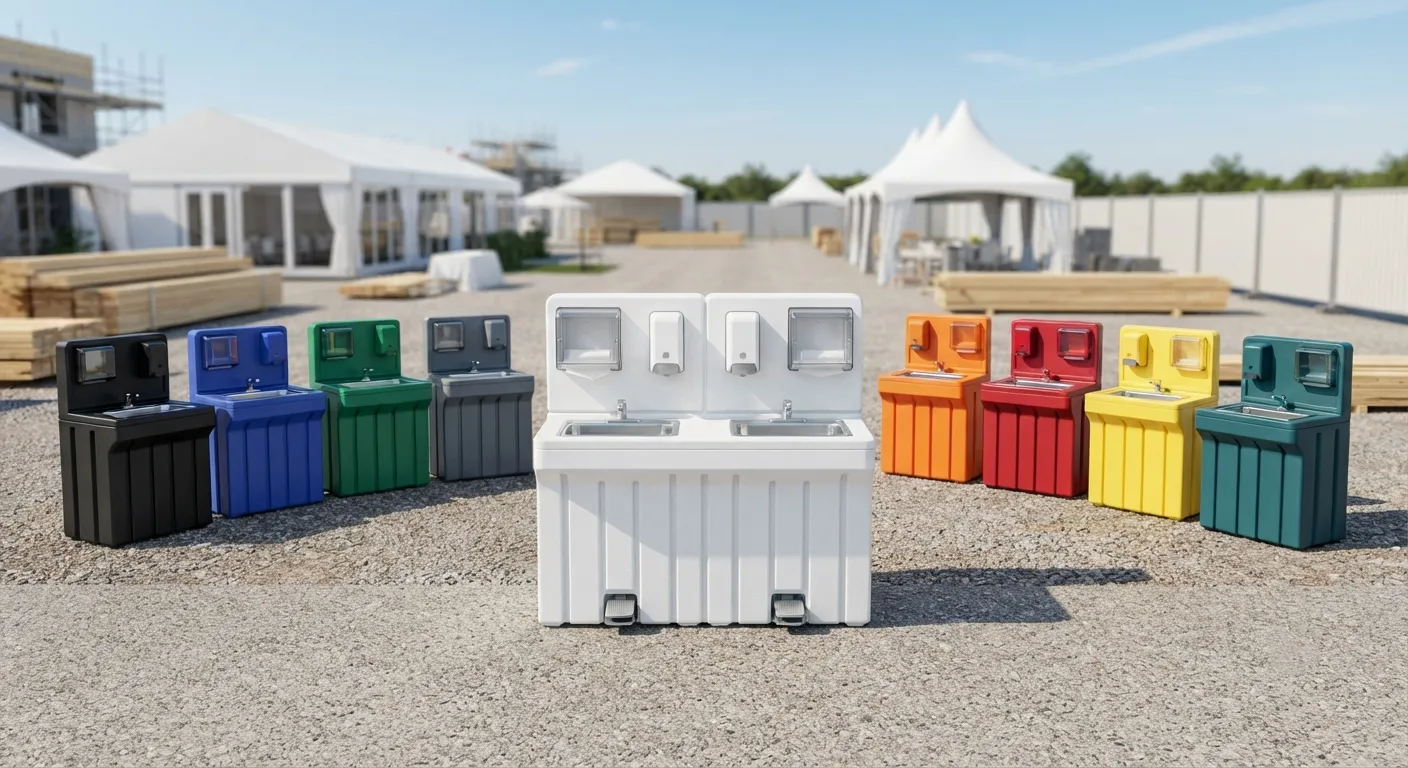
Handwashing stations don't treat the toilet tank, but they do help overall site hygiene. 29 CFR 1910.141(d)(2) requires soap and a way to dry hands, and hand sanitizer alone doesn't meet that standard.
Can I request extra deodorizer treatments between scheduled visits?
Yes, ask when you book. Tinley Park Porta Pros can add a treatment visit between weekly stops for high-traffic events or hot-weather jobs without waiting for the next full service.
Next step
Get a delivery date
Tell us the address, the dates and the headcount. We size the order and confirm the route.