
What items are banned from roll-off dumpsters?
Hazardous materials top the list. Paint cans, solvents, pesticides, herbicides and anything flammable stay out. So do car batteries, tires, propane tanks and refrigerants like old AC units or fridges with coolant still inside. Asbestos-containing material needs a specialty hauler, not a standard roll-off dumpster rental. Medical waste, sharps and biohazard bags are refused everywhere in this business, no exceptions.
Electronics get complicated. Some municipalities require separate e-waste drop-off, so check before loading a dead TV or a stack of monitors. Wet paint is the most common violation we see on residential jobs. Dry it out first, or bring it to a household hazardous waste event instead. If you are clearing out a garage during a home renovation porta potty job, ask us to walk the pile with you. It takes five minutes and saves a rejected load. For sizing questions once you know what is going in, our dumpster sizes and dimensions page breaks down what fits.
Why does weight matter as much as what's inside?
Weight limits and banned items work together, not separately. A dumpster loaded with wet concrete, dirt or roofing shingles can hit its weight cap before it is even half full by volume. Overloading past the rated limit brings extra charges and, in some cases, the truck simply cannot lift it. Concrete, brick and asphalt in large volumes usually need a dedicated heavy-debris container, not a standard mixed-load bin. We size the container to the job, whether that is a 10 yard for a bathroom gut or something larger for a full teardown. See dumpster weight limits for how that math works before you order, and 10 yard dumpster rental or 20 yard dumpster rental if you're still deciding on size.
Tinley Park sits inside a cluster of towns we serve regularly, including Oak Forest 5.7 miles northeast and Mokena 6.9 miles southwest, and weight rules generally travel with us across that whole footprint. A roll-off delivery needs about 60 feet of straight clearance behind the truck, which matters as much on a tight Tinley Park driveway as it does on an open lot in Frankfort.
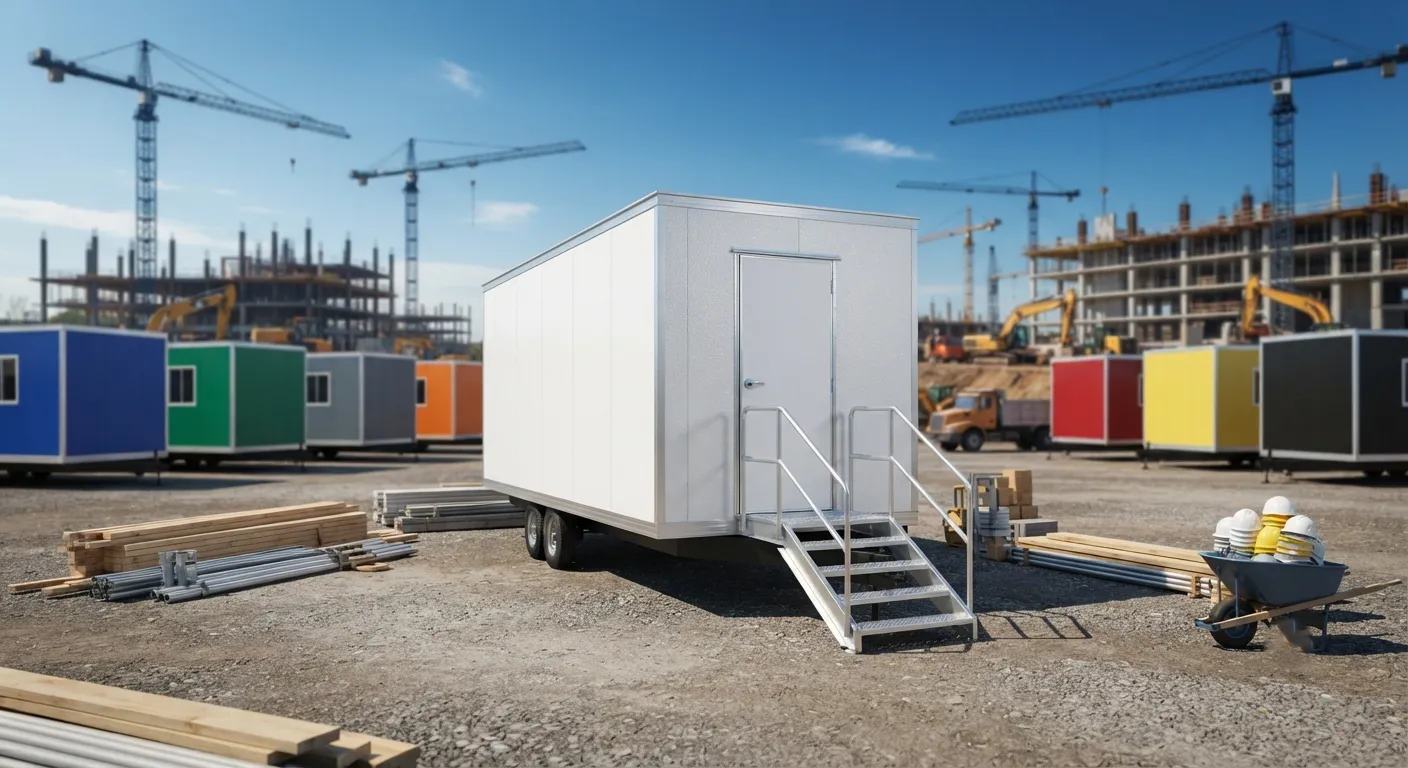
Do dumpster rules differ for construction sites?
Construction debris has its own gray areas. Drywall, wood scraps and packaging are fine. Tar, roofing adhesive and certain treated woods are not, depending on volume and the hauler's disposal contract. OSHA 1926.252 covers disposal of waste materials on active job sites, including chutes and enclosures, which matters if you're running a multi-story teardown in Tinley Park with debris coming down fast. Pair that with OSHA 1926.25, which requires scrap and debris to be cleared from work areas regularly, not left to pile up around the container.
If your crew is also using solvents, coatings or insecticides on-site, OSHA 1926.51(f)(1) requires washing facilities for that specific work, separate from general toilet needs. That's a different requirement from what goes in the dumpster, but the two often show up on the same job. For active builds we usually bundle the container with construction site services and a construction dumpster rental sized to the trade. Larger commercial teardowns often move straight to a 30 yard dumpster rental or 40 yard dumpster rental, and both still carry the same banned-material rules as the small bins.

What happens if a banned item shows up in my dumpster?
It gets flagged at the transfer station, and that costs time and money. Haulers inspect loads, and a battery or a paint can buried in construction debris can trigger a fee or, in rare cases, a full load rejection that sends the container back to you. This is one reason permit and placement questions matter too. Municipal rules on where a container can sit, and for how long, are things we always tell customers to confirm directly with the City rather than guess. If your project needs the container in a right-of-way or shared lot, check dumpster permit requirements before delivery day, not after.
| Item type | Standard dumpster OK? | Notes |
|---|---|---|
| Household junk, furniture | Yes | Standard mixed load |
| Wood scraps, drywall | Yes | Common on renovations |
| Wet paint, solvents | No | Dry paint or take to hazardous waste event |
| Tires, batteries | No | Needs specialty recycler |
| Concrete, brick, shingles | Limited | Often needs dedicated heavy-debris bin |
| Asbestos material | No | Requires licensed abatement hauler |
For pricing once your load is sorted, our dumpster rental cost page lays out day, week and month options by size.
What household items are usually safe to throw in a dumpster?
Furniture, carpet, cabinets, general junk and most wood or drywall scraps are fine. Avoid anything wet with paint or chemicals. If you're clearing an entire house, a mid-size container from our roll-off dumpster rental lineup handles most of it in one haul.
Can I put appliances in a roll-off dumpster?
Only if refrigerants are removed first. A fridge or window AC unit with coolant intact usually needs separate handling. Ask us when you book, since rules shift by hauler and by what your local transfer station accepts.
Does yard waste count as banned material?
Not banned, but often limited by volume and weight, especially wet leaves or soil. Large landscaping jobs sometimes do better with a smaller container swapped more often than one oversized bin sitting for weeks.
Is it okay to mix construction debris with household trash?
Usually yes in a mixed-load container, but check first. Heavy material like concrete changes the weight math fast, and some haulers want it separated. We'll tell you straight when you call.
What should I do with old paint cans?
Dry them out completely, then most haulers will accept the empty can with residue. Wet or liquid paint needs a hazardous waste drop-off instead. Never seal a wet can into your dumpster load.
Next step
Get a delivery date
Tell us the address, the dates and the headcount. We size the order and confirm the route.